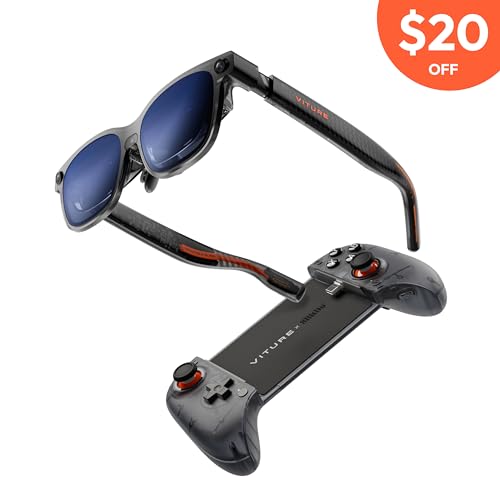
Understanding XR Glasses Impacting Education in 2026
As we navigate through 2026, the integration of Extended Reality glasses into educational settings is becoming increasingly prominent. XR glasses, which encompass augmented reality and virtual reality technologies, are revolutionizing how students engage with learning materials. This shift is not merely a trend; it is a fundamental evolution in the educational landscape, enhancing interactivity and personalization in learning experiences.
The Rise of XR Technology in Classrooms
The adoption of XR technology in classrooms for 2026 has been fueled by advancements in hardware and software capabilities. Educational institutions are increasingly investing in XR tools to foster experiential learning. These technologies allow students to immerse themselves in complex subjects, making abstract concepts tangible and relatable.
Imagine a history lesson where students can virtually walk through ancient cities or a biology class where they can observe cellular processes in real time. These immersive experiences are made possible through XR glasses, which provide a fully interactive learning environment. In 2026, educators are leveraging these tools to enhance engagement and retention, transforming traditional pedagogical approaches.
Benefits of XR Glasses in Education
The benefits of XR glasses in education are manifold. Firstly, they cater to diverse learning styles, allowing visual learners to grasp concepts more effectively. Secondly, they promote collaboration among students, encouraging teamwork as they tackle challenges in a shared virtual space.
- Enhanced Engagement: XR glasses create a captivating learning atmosphere, keeping students focused and motivated.
- Personalized Learning: These tools facilitate tailored educational experiences, accommodating individual learning paces and preferences.
- Access to Global Resources: Students can connect with experts worldwide, expanding their knowledge and cultural perspectives.
Furthermore, XR glasses break down geographical barriers, enabling students from different parts of the world to collaborate on projects. In 2026, we see classrooms where students from various countries can participate in joint learning initiatives, enhancing their global awareness and understanding.
People Also Look For:
- VITURE Luma Pro AR/XR Glasses "” 152" 1200p Ultra Sharp Display, 1000 Nits, 52° FOV, Dimming Adjustments, for iPhone 17/16/15...
- [2025 New] RayNeo Air 3s AR/XR Glasses, 201" 120Hz FHD HueView Display, Portable AR Video Eyewear Gaming Glasses for iPhone 17/16/...
- VITURE Luma AR/XR Glasses "” 146" 1200p Ultra Sharp Display, 1000 Nits, 50° FOV, Dimming Adjustments, USB-C Connection for iP...
- AR Smart Glasses with 86" Immersive Virtual Screen, Ultra-Light 25.8g XR Glasses, 1600nits Bright HD Display, Voice Control, Works...
- VITURE Luma Pro AR/XR Glasses "” 152" 1200p Ultra Sharp Display, 1000 Nits, 52° FOV, Dimming Adjustments, for iPhone 17/16/15...
Implementing XR Glasses in Educational Curricula
Integrating XR glasses into educational curricula requires careful planning and execution. In 2026, educators are focusing on developing specific learning objectives that align with XR technology capabilities. This ensures that the use of XR glasses is purposeful and enhances the overall learning experience.
For instance, a science curriculum may include virtual labs where students can conduct experiments that would otherwise be impossible due to safety or resource constraints. These virtual labs provide a safe environment for experimentation, allowing students to make mistakes and learn from them without real-world consequences.
- Define learning outcomes that can be enhanced through XR experiences.
- Select appropriate XR tools that align with those outcomes.
- Train educators on the effective use of XR technology.
- Evaluate the impact of XR experiences on student learning.
In 2026, institutions that successfully implement these steps witness improved student performance and engagement. Educators report that students are not only more interested in the subjects but also demonstrate a deeper understanding of complex topics.
Challenges and Considerations
Despite the numerous benefits, integrating XR glasses into education is not without challenges. In 2026, institutions face various hurdles, including the cost of technology, the need for adequate infrastructure, and the requirement for teacher training. Addressing these challenges is crucial for maximizing the potential of XR in education.
Many schools are exploring partnerships with technology companies to reduce costs and gain access to cutting-edge resources. Additionally, professional development programs are being established to equip educators with the necessary skills to effectively utilize XR technology in their teaching practices.
- Cost Management: Schools must find innovative solutions to finance XR technology.
- Infrastructure Development: Ensuring that classrooms are equipped with the necessary hardware and software.
- Teacher Training: Providing ongoing support and training for educators to enhance their proficiency with XR tools.
As we progress through 2026, it becomes evident that tackling these challenges head-on will be essential for the successful implementation of XR glasses in education. Schools that prioritize these factors are likely to see greater benefits from their investments in technology.
The Future of XR in Education
Looking ahead, the potential of XR glasses in education appears boundless. In 2026, we anticipate further innovations that will expand the scope of what is possible within educational contexts. As technology continues to advance, more immersive experiences will become available, allowing students to explore new realms of knowledge.
Think about the possibilities in language learning, where students can interact with native speakers in virtual environments, practicing their skills in real-time. This approach not only enhances language acquisition but also boosts confidence as students engage in authentic conversations.
Moreover, XR glasses are likely to play a significant role in inclusive education, providing tools for students with disabilities to access learning in ways that were previously unimaginable. In 2026, we envision classrooms where every student, regardless of their learning challenges, can participate fully in educational experiences.
As XR technology evolves, educators must remain adaptable, embracing new methodologies and approaches that leverage these advancements. The journey of integrating XR glasses into education is just beginning, and the possibilities are as exciting as they are transformative.